Nearly 98,000 used electric cars changed hands in the UK between July and September 2026. That is 23.2% more than in the same quarter last year, according to new figures from the Society of Motor Manufacturers and Traders (SMMT). More choice is reaching the second-hand market, but the figures are a reason to compare cars carefully, not a reason to rush into one.
What the latest figures actually show
The SMMT counted 97,625 used battery electric car transactions in the third quarter of 2026. Electric cars made up 4.8% of all used car transactions, up from 3.9% a year earlier. The total used car market grew by just 0.5% to 2,030,619 transactions, so the electric segment grew much faster than the market overall.
Used conventional hybrids also rose, by 25.9% to 135,204 transactions. Plug-in hybrids moved the other way: transactions fell 13.3% to 20,911. These are different types of vehicle, with different charging needs. The SMMT figures measure transactions, not prices, battery condition or whether a particular model is good value.
Petrol is still the biggest part of the used market
Petrol cars accounted for 1,148,576 transactions, or 56.6% of the market. Diesel accounted for 623,354, or 30.7%. In other words, electric cars are growing quickly from a smaller base; most second-hand buyers are still choosing a petrol or diesel car.
That mix matters when you shop. A growing EV market may give you more models and asking prices to compare, but the right powertrain still depends on your journeys, where you can charge and the total cost of ownership. There is no single winner for every driver.
Three checks before buying a used electric car
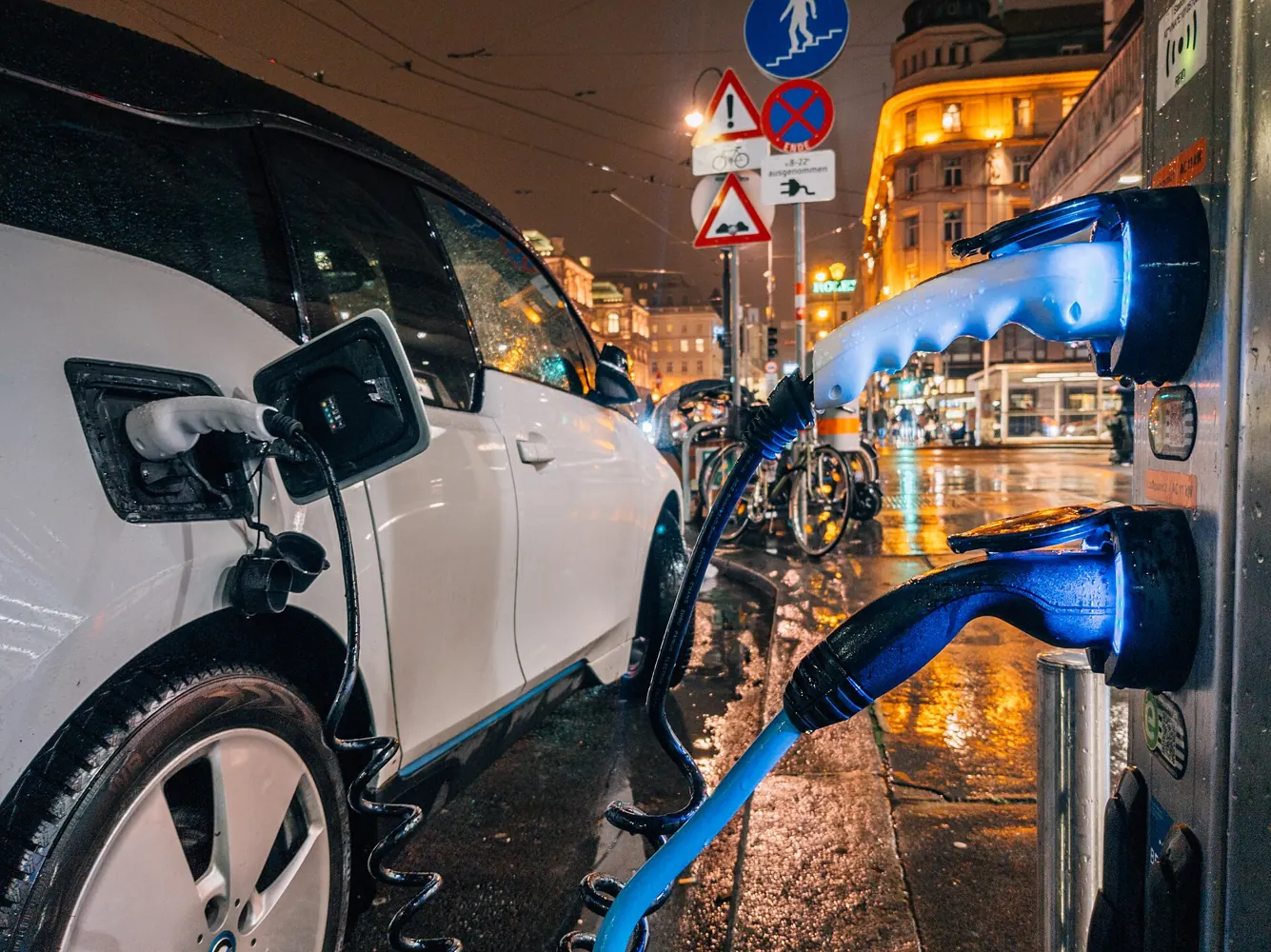
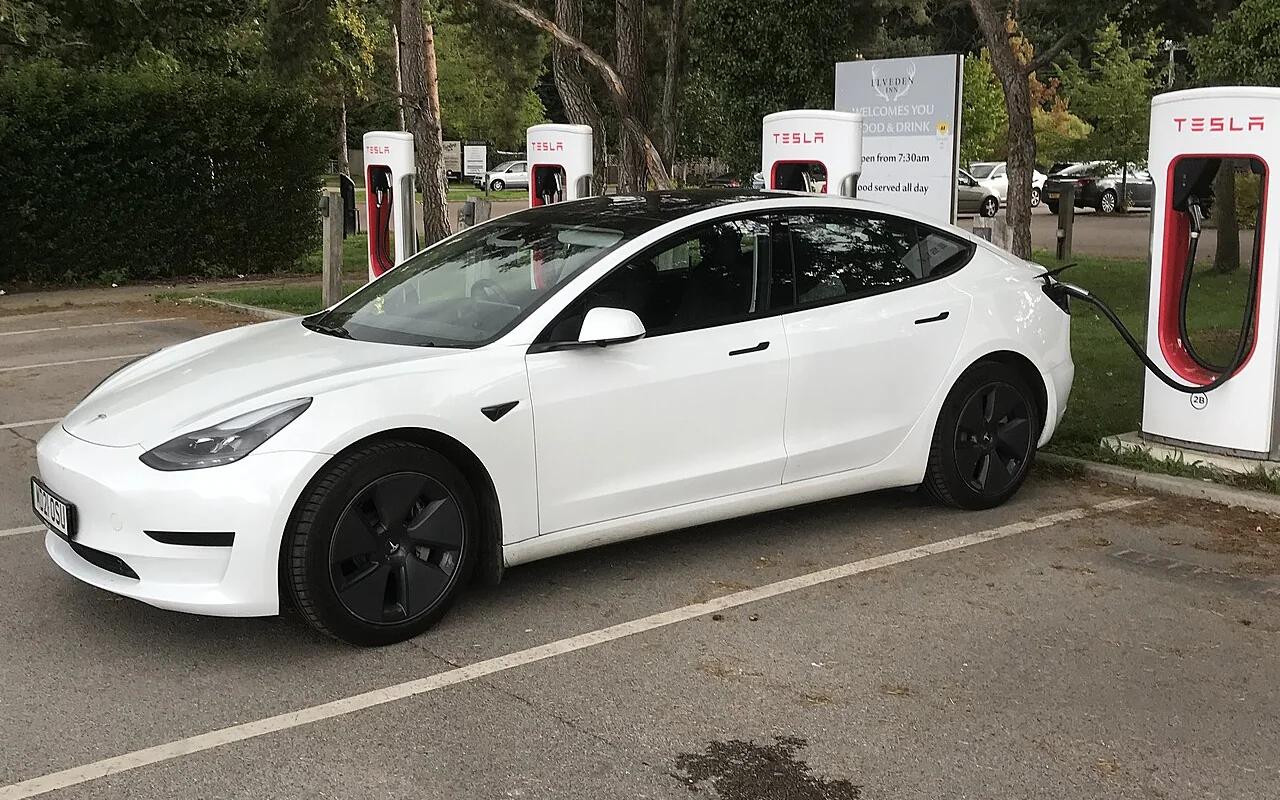
First, work out how you would charge it on an ordinary week. Check the car's charging connector, its AC and rapid-charging capability, and the chargers you can actually use at home, work or on your regular routes. A manufacturer's maximum charging speed is not what every public charger will deliver.
Second, ask for battery-health information and the remaining battery warranty in writing. Check the warranty's age, mileage and capacity conditions for that exact car. A full dashboard range estimate is not a substitute for a battery-health report or a proper test drive.
Third, check the ordinary used-car basics: MOT history, service and recall records, tyres, accident repairs, finance status and whether the advertised equipment is present. Compare the complete purchase or finance cost with a petrol, diesel or hybrid alternative. An attractive electric-car asking price can look different once insurance and charging costs are included.
Read our used electric and hybrid car guide →